
Steel vs Aluminum Doors and Windows: Key Differences, Benefits, and Which One Is Best for Your Home
When creating spaces that feel open, modern, and effortlessly sophisticated, the right window and door frames are essential. Steel and aluminum stand out for their exceptional strength and refined engineering, allowing them to support expansive panes of glass with beautifully slim frames that elevate the entire aesthetic.
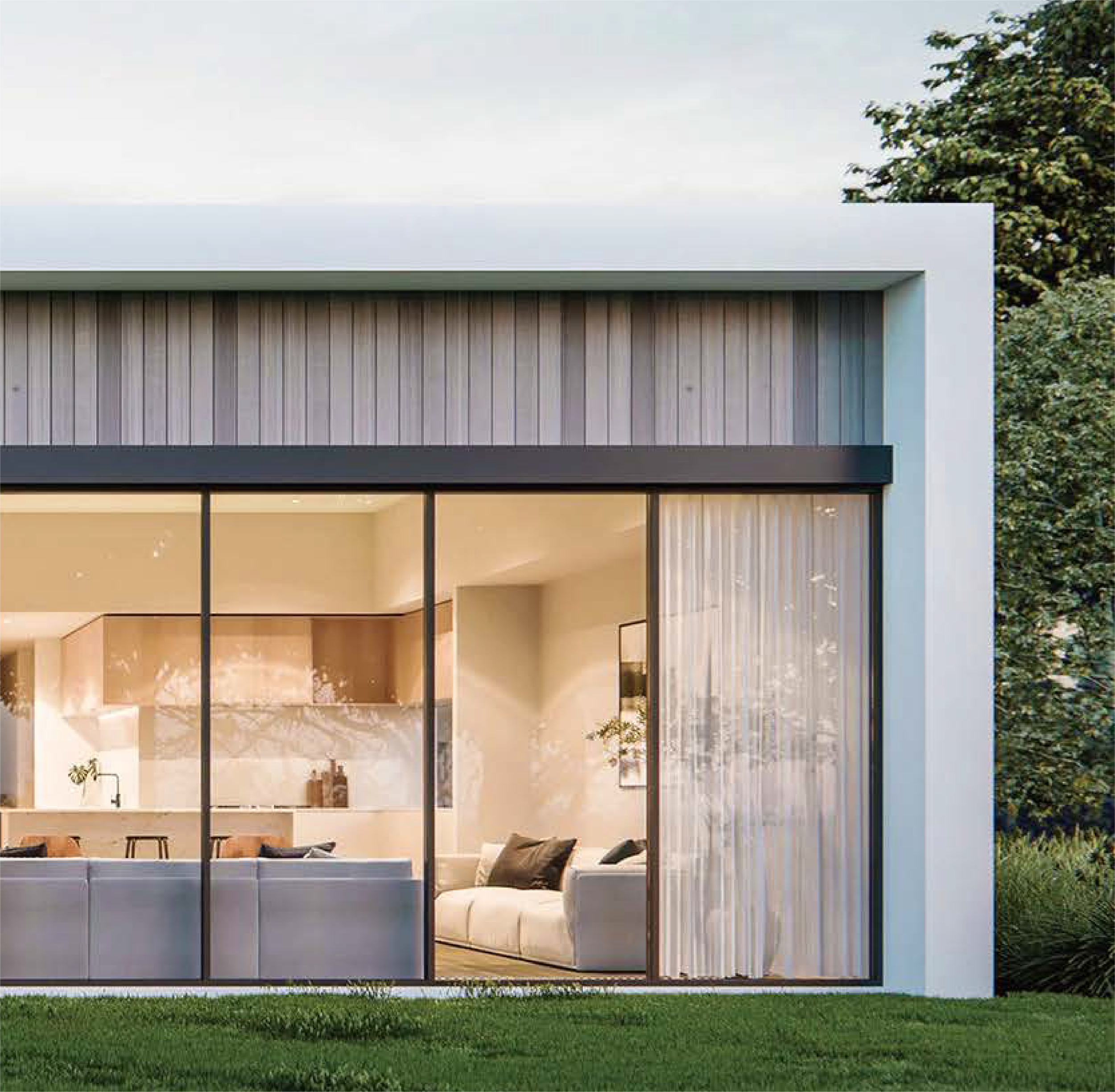
Narrow-Frame Hidden Sash Tilt & Turn Window
The Strength and Elegance of Steel
Steel is the definition of timeless strength with refined sophistication. Prized by architects and designers alike, it offers the rare ability to deliver exceptional durability while maintaining beautifully slim, elegant sightlines. The result? Expansive glass panels, dramatic window walls, and classic grid patterns that feel both bold and effortlessly refined.
Beyond strength, steel offers impressive design flexibility. It can be customized with intricate patterns, unique finishes, and decorative glass cutouts, making it ideal for projects that require a distinctive architectural touch. Steel frames also pair well with traditional, industrial, and high-end luxury designs, giving them a classic appeal that remains stylish for decades—as seen in options like our Slim 65 collection.
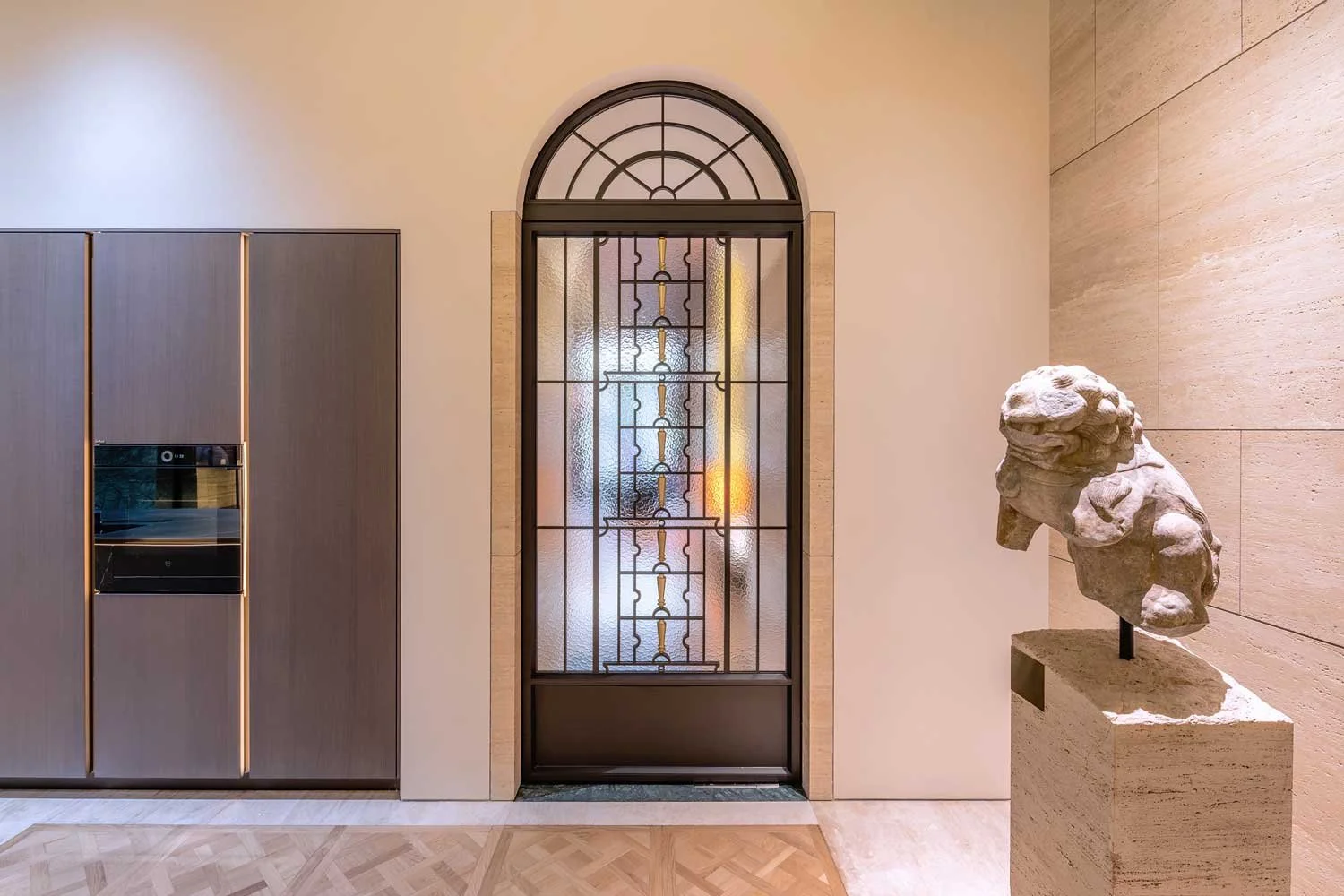
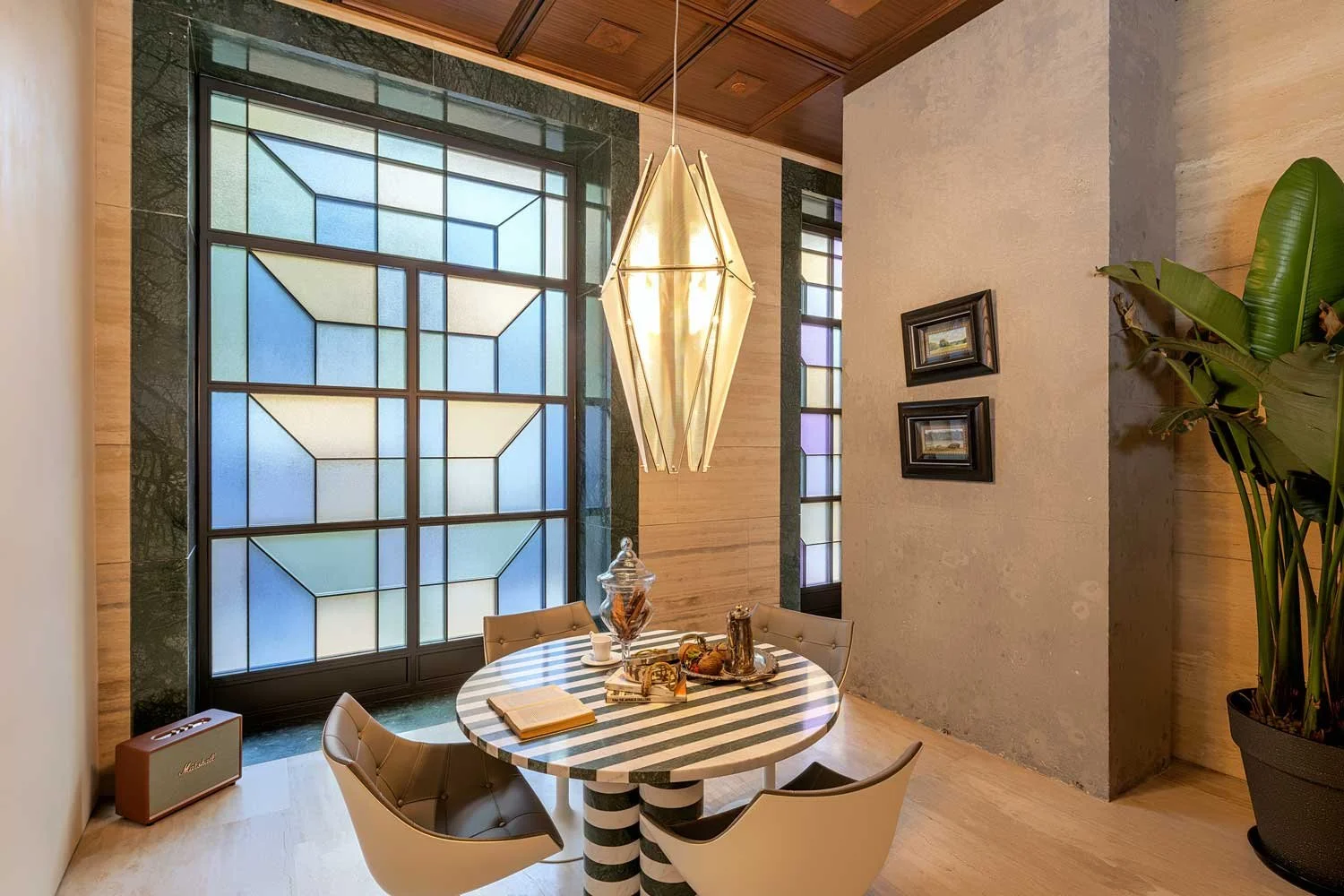
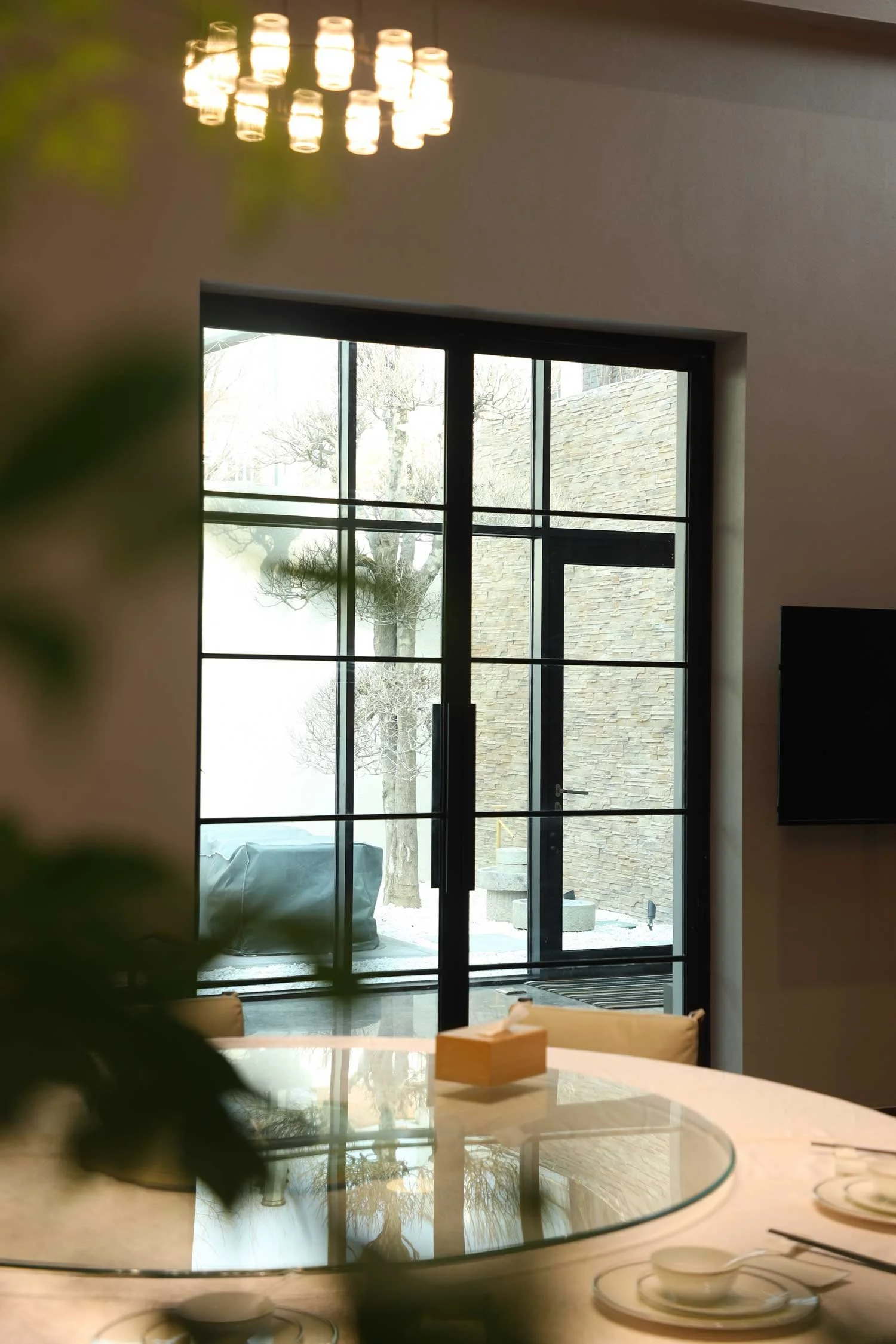
Because of their durability and insulating potential, steel doors are commonly used in entryways, commercial buildings, and areas exposed to extreme weather. They provide excellent protection while maintaining a refined architectural appearance.
However, steel typically comes at a higher cost because many units are custom-fabricated and require specialized finishing. To prevent corrosion, steel frames are usually galvanized and coated with paint or powder coating, ensuring long-term protection against moisture.
The Modern Appeal of Aluminum
Aluminum embodies effortless modern elegance, offering a clean, streamlined look that feels right at home in today’s most refined spaces. The material is both lightweight and strong, allowing for slim frame profiles that maximize glass area and create bright, open interiors.
Because aluminum frames can support large glass panels while remaining relatively light, they are especially popular in modern homes with expansive windows or sliding glass doors. The material’s narrow frames help achieve the clean, minimalist look that defines contemporary architecture—a defining feature of aluminum window and door design today.
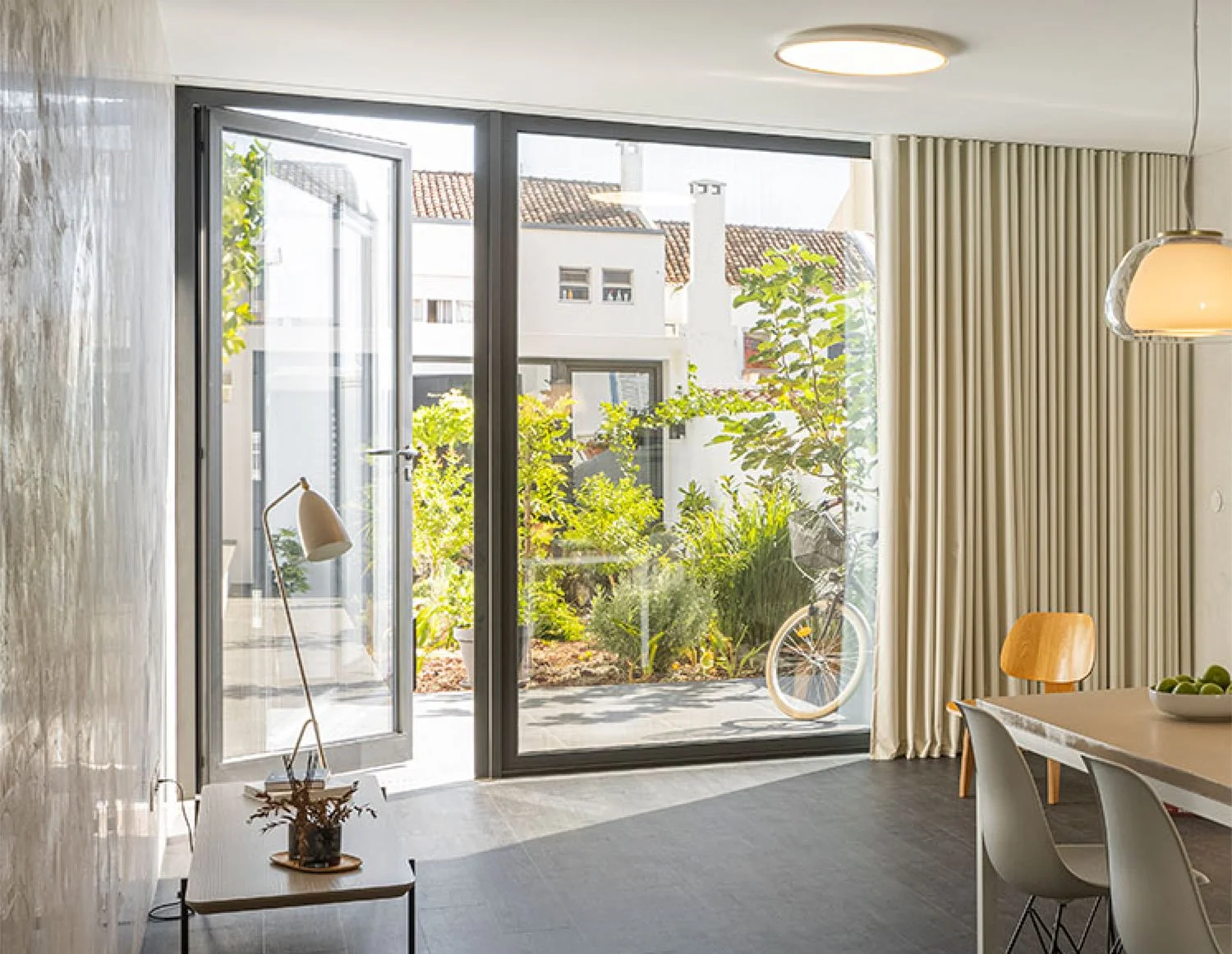

Another advantage is aluminum’s corrosion resistance, which makes it an excellent option for coastal environments or areas with high humidity. Aluminum frames are also about 30% lighter than traditional steel frames, making them easier to install and less demanding on a building’s structure.
These qualities make aluminum doors particularly well-suited for contemporary homes, high-traffic spaces, and projects where modern aesthetics are a priority.
Shared Benefits of Metal Frames
Despite their differences, steel and aluminum share several advantages that make them superior to many traditional frame materials.
Both metals are extremely strong, which allows manufacturers to create slender frames with larger glass panels. The result is a more open design that brings in more natural light and enhances indoor spaces. Homes with larger glass areas often feel brighter and more spacious, and increased daylight can even help reduce electricity usage by minimizing the need for artificial lighting during the day.
Their slim profiles also complement a wide range of architectural styles, from industrial lofts to luxury modern homes, making metal frames a versatile design choice.
Which Option Is Right for You?
The decision between steel and aluminum ultimately depends on your priorities:
Choose steel if you want maximum strength, enhanced security, intricate design options, and a timeless architectural look.
Choose aluminum if you prefer lightweight construction, corrosion resistance, and a sleek, minimalist aesthetic.
Both materials provide exceptional durability and style, making them excellent investments for modern homes.
